Introduction — Is Vinyl Wrapping Actually Worth It?
A new colour, a different finish, and a completely different-looking car — without repainting it. Sounds appealing, but is wrapping really worth the money? Vinyl wrapping has become a genuine option for Sydney drivers who want to change their vehicle’s appearance without committing to a permanent paint job. But it’s worth establishing this balanced point right from the start: a vinyl wrap isn’t automatically the right choice for every vehicle or owner.
Whether it makes sense depends on a combination of factors — the desired appearance, budget, the vehicle’s condition, how long the owner plans to keep the car, maintenance expectations, the quality of installation, the type of vinyl used, and the vehicle’s intended use. This article walks through each of these honestly, so that anyone researching vinyl wrap Sydney options can make a genuinely informed decision, rather than relying on marketing claims alone.
What Is a Vinyl Wrap?
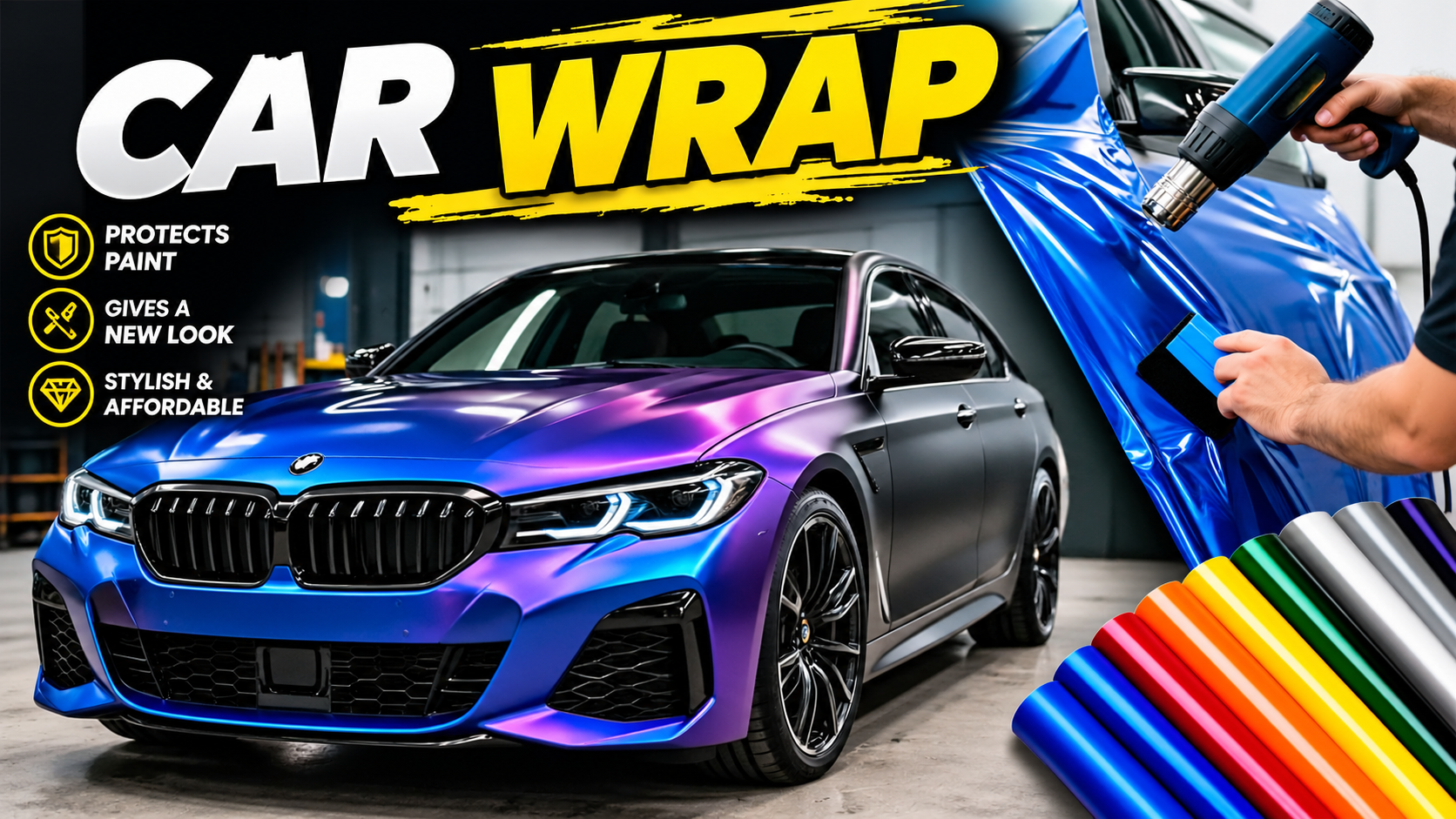
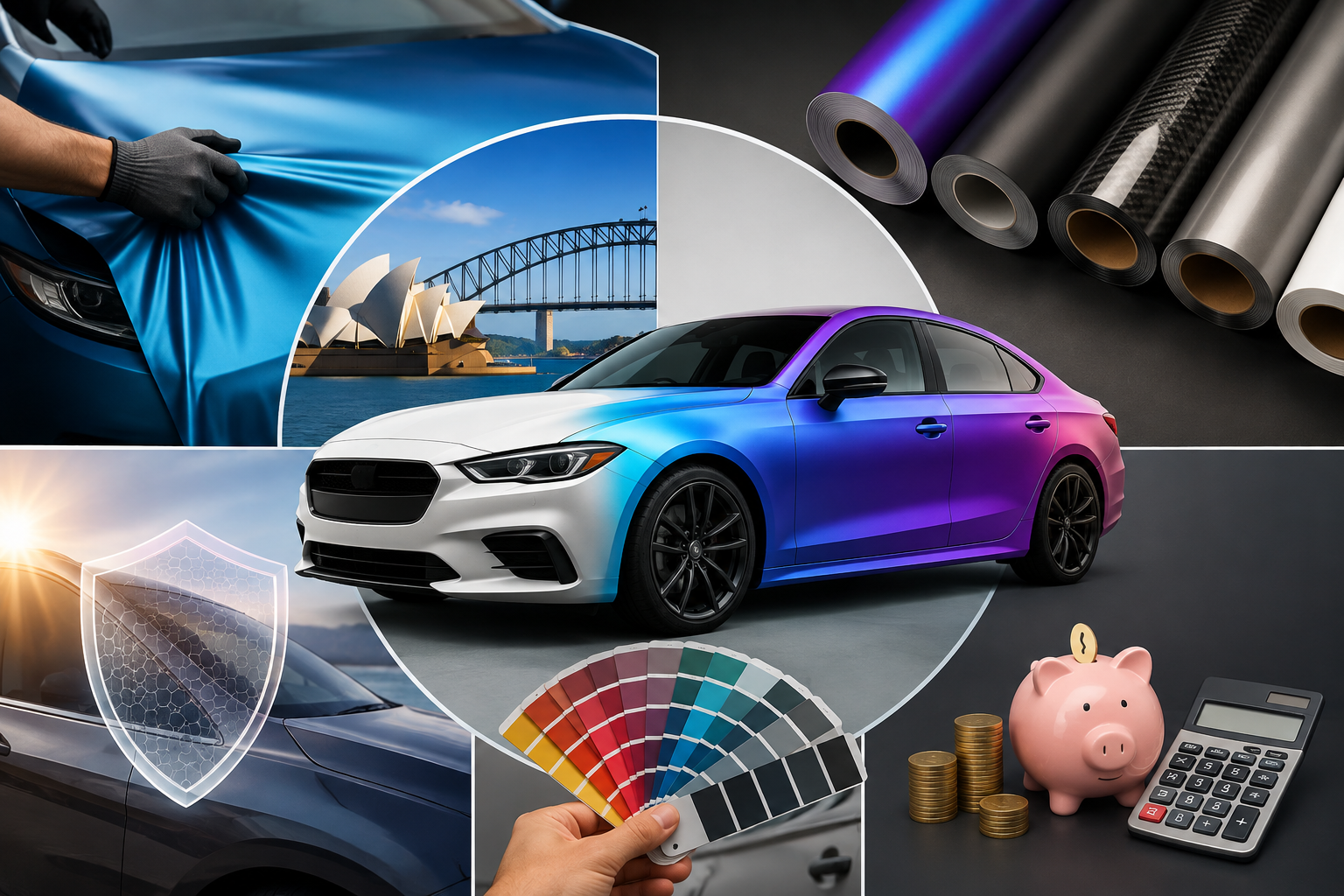
A vinyl wrap is a specialised adhesive film applied over suitable vehicle surfaces to change their appearance. It’s available in a wide range of finishes, including gloss, matte, satin, metallic, textured, and various specialty colours, giving owners far more visual options than traditional paint alone.
It’s worth being clear about one important distinction: a wrap changes the appearance of the vehicle, but it isn’t the same thing as repainting, and it shouldn’t be confused with paint protection film. Understanding this difference upfront helps set realistic expectations for what a wrap can — and can’t — do.
Why Are Sydney Car Owners Choosing Vinyl Wraps?
The reasons tend to be practical rather than purely aesthetic.
Colour changes are common — a driver may love the car itself but dislike its current colour. Personal styling is another major driver, with many owners drawn to matte black, matte white, satin finishes, metallic colours, or two-tone designs. Business branding is a significant use case too, turning a van or fleet vehicle into a moving advertising space. And for some, temporary changes matter — someone planning to sell or return a vehicle later may prefer a change that’s potentially removable rather than permanent paintwork.
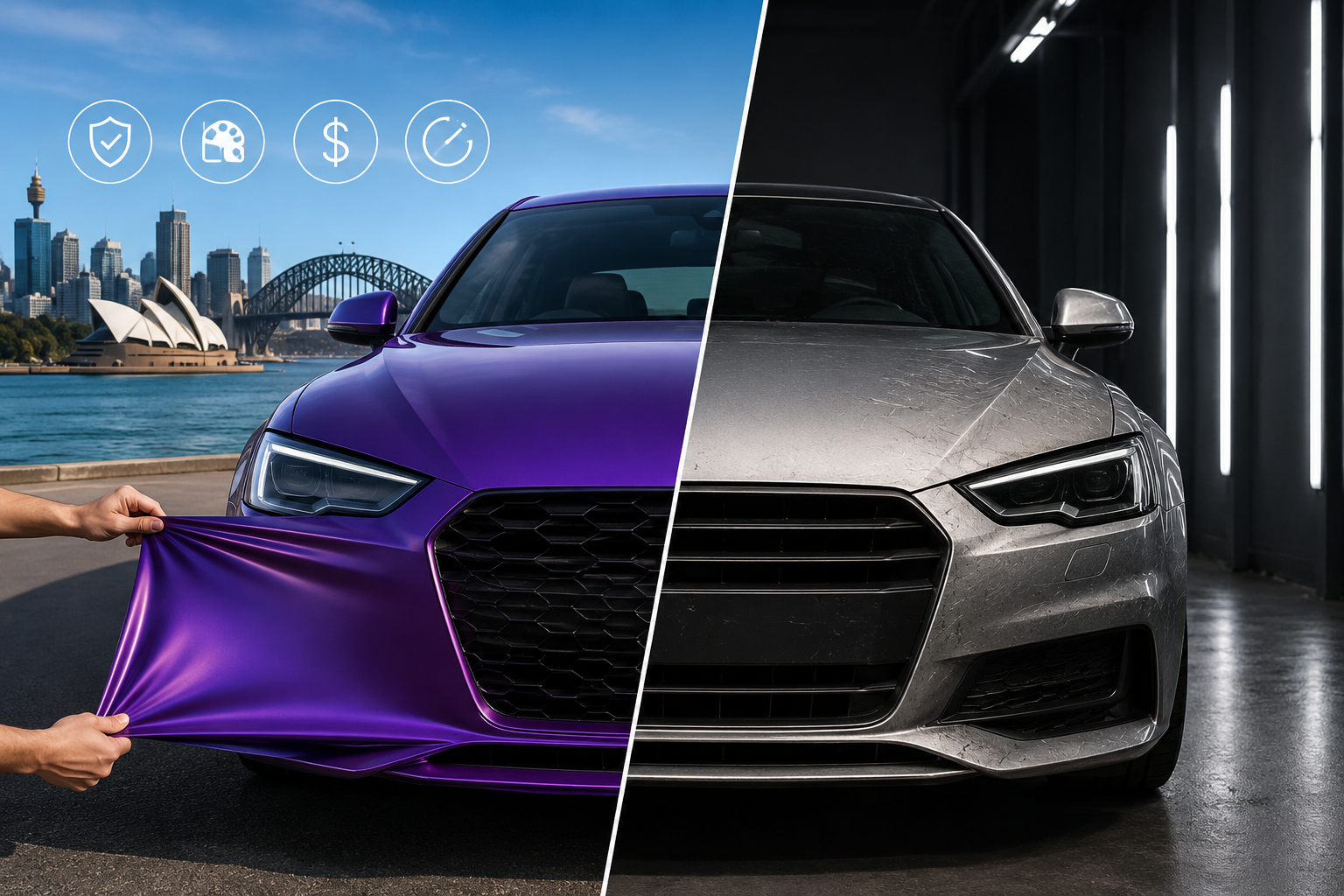
Consider someone who buys a silver SUV but later decides a satin black appearance would suit it better. Rather than committing to a full repaint, they can explore whether wrapping offers a practical, less permanent alternative that still delivers the look they’re after.
The Biggest Benefits of Vinyl Wrapping
Extensive style choices — the sheer range of available colours and finishes goes well beyond what’s typically offered through standard factory paint options.
No permanent paint colour change — owners can change their vehicle’s appearance without committing to a new paint colour underneath.
Custom branding — particularly useful for tradies, delivery businesses, service companies, and small fleets looking to turn vehicles into effective advertising.
Visual transformation — a well-installed wrap can make an older-looking vehicle feel visually refreshed and current again.
Design flexibility — options extend beyond a single full-colour change, including partial wraps, stripes, roof wraps, mirror accents, and custom graphics tailored to a specific design.
Does Vinyl Wrap Protect Your Paint?
Vinyl can act as a physical layer over the underlying surface, offering some degree of protection — but it isn’t equivalent to Paint Protection Film. How much protection it actually provides depends on the material used, the quality of installation, the condition of the surface underneath, ongoing exposure, and how well the vehicle is maintained.
It’s worth being direct about this: vinyl wrap is primarily a styling solution, while PPF is specifically designed and engineered for paint protection. Understanding this distinction upfront can prevent misleading expectations about what a standard wrap will do for long-term paint preservation.
What Are the Limitations of Vinyl Wrapping?
A genuinely useful article needs to cover the drawbacks as honestly as the benefits.
Not every damaged surface is suitable for wrapping. Vinyl itself can be damaged by impacts, sharp objects, or careless handling. Poor installation can noticeably affect the final appearance, regardless of how good the material is. Certain finishes — particularly matte and satin — need careful, specific maintenance to keep looking their best. Damaged sections may need replacement rather than simple spot repair. Removal results can depend heavily on the condition of the underlying paint. And wraps aren’t maintenance-free — they still require regular, appropriate care to perform and look as intended.
Consider a vehicle with peeling clear coat. It may look fine from several metres away, but that underlying problem becomes significant the moment vinyl installation is being considered, since the wrap needs a stable, suitable surface to adhere to properly.
How Much Does Vinyl Wrapping Cost in Sydney?
There’s no single universal price that applies to every wrap. Vinyl wrap Sydney pricing depends heavily on the specific project, shaped by factors including vehicle size, whether coverage is full or partial, vinyl type, finish, vehicle condition, the number of panels involved, curves and body contours, surface preparation requirements, existing wrap removal, custom graphics, and overall installation complexity.
A realistic comparison helps illustrate this. A small hatchback typically involves less surface area and a potentially simpler installation. A large SUV requires more material, larger panels, and often more complex bodywork to work around. A commercial van may require additional design and branding work on top of the wrap itself. This kind of comparison is far more informative than a single flat figure, since it reflects how genuinely different two “wrap” projects can be.
Why Can Two Wrap Quotes Be Different?
Two installers may quote noticeably different amounts, and it’s often because they’re not actually offering identical work. Quotes can differ based on material specification, coverage, preparation, design work, installation approach, finishing detail, removal requirements, warranty terms, and aftercare recommendations.
For example, one quote might cover the exterior panels only, while another includes additional edge work, more thorough preparation, and custom graphics. The second quote may be higher, but the customer isn’t actually comparing the same service — they’re comparing two different scopes of work. The key takeaway: don’t compare the number before comparing the scope.
What Does Professional Installation Involve?
Professional wrapping generally follows a clear process. It begins with vehicle assessment, checking paint, damage, and existing surfaces. Preparation follows, cleaning and preparing panels so the vinyl adheres correctly. Material selection involves choosing the suitable vinyl and finish for the project. Application is the most technical stage, applying vinyl carefully around panels and contours. And finishing wraps up the process — trimming, finishing edges, and inspecting the completed installation. Understanding this process helps explain why professional labour makes up such a significant part of the overall cost.
Why Vehicle Condition Matters
Deep scratches, peeling paint, rust, stone chips, poor previous repairs, and contaminated surfaces can all affect whether a vehicle is suitable for wrapping, and how much preparation is required beforehand.
Consider two identical white cars arriving for a quote. One has clean, well-maintained paint. The other has peeling clear coat on the bonnet. Even though both owners want the same matte finish, their preparation requirements — and likely their final quotes — may be quite different as a result.
Full Wrap or Partial Wrap?
A full wrap suits a complete colour or finish transformation, covering most or all of the vehicle’s visible exterior. A partial wrap is useful when the owner wants a smaller, more targeted visual change — common examples include the roof, bonnet, mirrors, racing stripes, business graphics, or selected panels.
Partial wrapping can sometimes deliver the desired visual effect without the cost or scope of covering the entire vehicle, making it a practical middle ground for owners who don’t need — or want — a full transformation.
How Long Can a Vinyl Wrap Last?
It’s best to avoid absolute promises here, since lifespan genuinely depends on several variables: the material used, installation quality, sun exposure, how and where the vehicle is stored, washing habits, driving conditions, and general maintenance.
Sydney’s outdoor exposure and strong UV levels make appropriate care particularly relevant to how long a wrap continues to look its best. Rather than relying on a generic lifespan claim, it’s worth asking about the specific material manufacturer’s recommendations for the product being used on your vehicle.
How to Maintain a Wrapped Vehicle
A few consistent habits go a long way. Wash regularly, following the cleaning methods recommended for your specific vinyl. Remove contaminants promptly — bird droppings, tree sap, and similar substances shouldn’t be left sitting on the surface unnecessarily. Avoid abrasive cleaning, sticking to suitable products and gentle techniques. Be careful around edges, since aggressive pressure can potentially affect more vulnerable areas of the wrap. And follow material-specific advice, as different vinyl products can carry different care recommendations from their manufacturers.
Who Should Consider a Vinyl Wrap?
A wrap may suit someone who wants a colour change, wants a unique finish not easily achievable with standard paint, doesn’t want permanent paintwork, wants commercial branding, enjoys modifying and personalising vehicles, or wants a partial transformation rather than a full one.
It may not suit someone who has unsuitable, badly damaged paint, doesn’t want any ongoing maintenance responsibility, wants maximum paint protection specifically, or expects a wrap to behave exactly like factory paint in every respect.
Vinyl Wrap vs Respray
| Vinyl Wrap | Respray |
|---|---|
| Changeable appearance | Permanent paint change |
| Wide range of finishes | Traditional paint finishes |
| Applied over existing surface | Requires paint preparation |
| Can be removed | Not easily reversible |
| Suitable for graphics | Better for permanent refinishing |
| Different maintenance considerations | Different repair process |
The right choice ultimately depends on the vehicle and the owner’s long-term plans, rather than one option being universally better than the other.
Common Mistakes Sydney Car Owners Make
Choosing only by price, without considering material or installer quality. Not checking the vinyl specification being quoted. Ignoring paint condition before committing to a wrap. Assuming every installer uses the same materials. Not checking exactly what coverage is included. Forgetting about aftercare requirements. Expecting vinyl to provide PPF-level protection. Not reviewing examples of previous installations. And failing to ask about removal — either of an existing wrap, or what removal will look like down the track.
What Should You Ask Before Booking?
- What vinyl will be used?
- What areas are included?
- Is preparation included?
- Are difficult edges covered?
- Is existing wrap removal included?
- What maintenance is recommended?
- What happens if a panel is damaged?
- Can I see similar completed vehicles?
- What is the expected installation timeframe?
- What exactly is included in the quote?
An Assessment-Based Approach with PROvinyl
For Sydney vehicle owners considering a vinyl wrap, an individual assessment can be more useful than relying on a generic price or package. PROvinyl considers factors such as the vehicle, surface condition, desired finish, coverage, and installation requirements when discussing wrapping options. This helps customers understand what their project actually involves and choose an approach that fits the vehicle, rather than simply selecting a colour from a catalogue.
This kind of assessment-based approach is particularly relevant for colour changes, custom graphics, commercial vehicles, partial wraps, and interior applications — projects where the right solution genuinely depends on the specific vehicle rather than a one-size-fits-all package.
Real-Life Scenario: Is Wrapping Worth It?
Consider a Sydney car owner with a three-year-old vehicle in good paint condition. They want a matte finish but aren’t sure whether to repaint. Their priorities are clear: change the colour, keep the original paint underneath, avoid a permanent modification, and retain the option to change the appearance again later. For this owner, wrapping makes a lot of sense — it aligns closely with what they actually want.
Now consider a contrasting example: another owner has badly damaged paint and is primarily focused on maximum long-term protection rather than a style change. For them, a professional assessment may point toward a different solution altogether — potentially involving paint repair and PPF rather than a straightforward wrap. This is exactly why an individual assessment matters more than a generic recommendation.
Conclusion — Is It Actually Worth It?
A vinyl wrap can be genuinely worth it when its flexibility, appearance, and intended use match what the vehicle owner actually needs. It offers excellent styling flexibility, a wide range of colour and finish options, real value for commercial branding, and the benefit of being potentially reversible. At the same time, it requires suitable paint underneath, needs appropriate ongoing care, and its cost depends heavily on the individual vehicle and project — with professional installation playing a major role in the final result.
If you’re considering a vinyl wrap Sydney project, the best starting point isn’t simply asking for the cheapest price. Understand your vehicle’s condition, desired finish, coverage, and long-term plans first. A professional assessment from a specialist such as PROvinyl can then help you determine whether wrapping is the right option, and what the project should realistically involve.