
Mice are quiet, cautious and almost entirely nocturnal, which is why many homeowners share their walls with them for weeks before noticing a thing. By the time you actually see a mouse, there is a good chance you are already dealing with an established population. The earlier you read the signs, the simpler and cheaper the fix. Here is how to tell whether mice have moved into your walls — and what to do next.
The Telltale Sound: Scratching at Night
The most common first clue is sound. Because mice are nocturnal, listen in the quiet hours after bedtime for light scratching, scurrying or faint squeaking inside walls, ceilings or beneath floors. Activity typically peaks between dusk and dawn, when mice leave their nests to forage.
Timing matters, because it helps identify the culprit. Scratching during the day more often points to squirrels, which are active in daylight hours. Heavier thumping or dragging sounds may indicate rats, which are larger and louder than mice. Light, quick, nocturnal scratching is the classic signature of mice.
Droppings: The Clearest Evidence
If sounds make you suspicious, droppings provide confirmation. Mouse droppings are small — roughly 1/8 to 1/4 inch long — with a pointed, rice-grain shape. You will find them where mice travel and feed: along skirting boards, inside cupboards, behind appliances and near food stores.
A few droppings may mean a lone explorer; dozens in one spot suggest an active nesting area nearby. One safety note: never sweep or vacuum droppings while they are dry, as this can throw dust-borne particles into the air. Wear gloves and a mask, disinfect the area first, then wipe droppings up with damp paper towels.
Gnaw Marks and Damage
A mouse’s teeth never stop growing, so mice must gnaw constantly to keep them worn down. Look for chew marks on skirting boards, drywall, food packaging, plastic bins and wooden furniture legs. Fresh gnaw marks look lighter in colour; older marks darken with age, which tells you whether the activity is current.
Gnawing becomes genuinely dangerous when mice reach electrical wiring. Chewed insulation on cables is a recognised fire hazard and one of the main reasons a mouse problem should never be ignored. If you find damaged wiring, treat it as urgent.
Nesting Materials and Entry Points
Mice build nests from whatever soft material they can shred — paper, cardboard, fabric, loft insulation. Shredded debris tucked into a quiet corner, behind storage boxes or inside a wall void is a strong sign of nesting.
Mice can squeeze through gaps as small as 1/4 inch, roughly the diameter of a pencil. Common entry routes include gaps around utility lines and pipes, vents without mesh covers, damaged weather stripping and cracks in the foundation. A careful walk around your home’s exterior with a torch often reveals the very gaps they are using.
Why DIY Trapping Usually Falls Short
Snap traps and shop-bought bait stations can catch individual mice, and there is nothing wrong with using them as a first response. But trapping alone rarely solves the problem, because it does not address the three things that sustain an infestation: entry points, food sources and nesting sites.
Mice breed remarkably fast — a single pair can produce dozens of offspring in a few months. Remove five mice but leave the gaps and the food, and the population simply rebounds. Lasting results need a strategy, not just traps.
When to Call a Professional
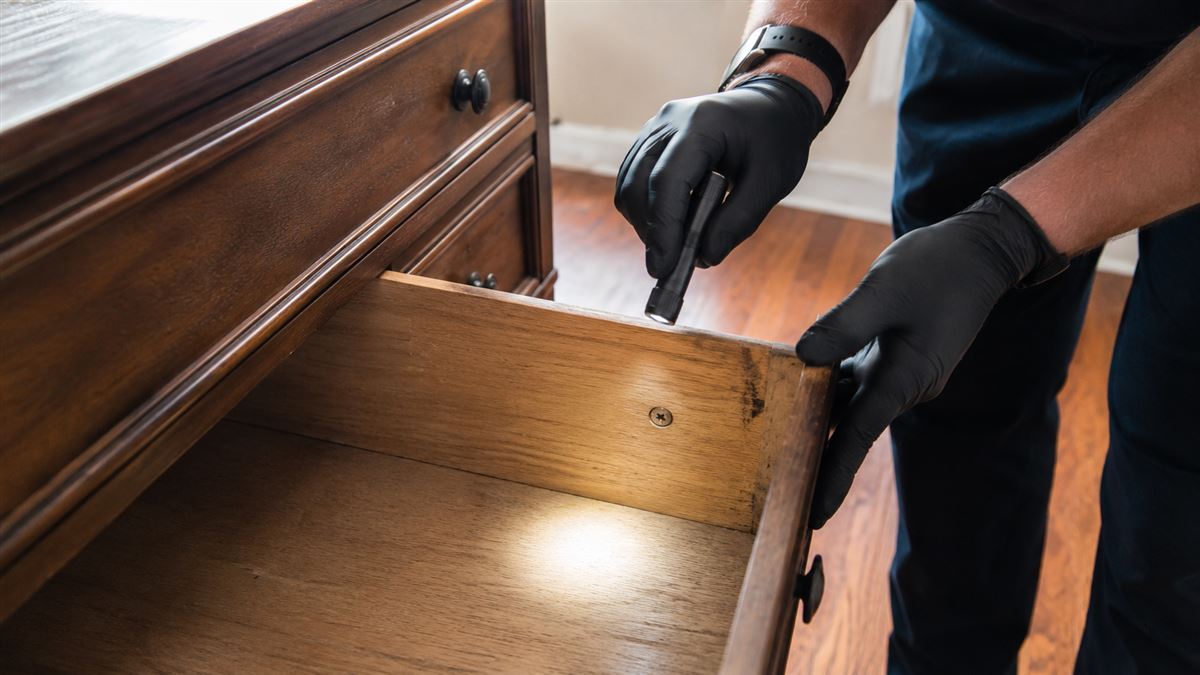
Some situations call for more than a do-it-yourself effort: traps that keep catching mice week after week, signs in multiple rooms, discovered nests, or any damage to wiring. A proper professional approach starts with a whole-home inspection to find entry points and nesting areas, followed by exclusion — sealing the gaps so mice cannot return — and only then removal of the animals already inside.
For example, professional rodent control in Joplin starts with a whole-home inspection before any treatment is planned, which is the right order of operations for a lasting result.
Immediate Steps You Can Take Tonight
While you arrange a longer-term solution, a few simple actions make your home far less inviting:
- Store dry food, cereals and pet food in sealed, hard-sided containers.
- Take rubbish out regularly and keep bins tightly lidded.
- Declutter storage areas to remove nesting material and hiding places.
- Plug obvious interior gaps temporarily with steel wool, which mice dislike chewing through.
These steps will not end an established infestation on their own, but they slow it down and make any professional treatment more effective.
The Bottom Line
Scratching at night, rice-shaped droppings, gnaw marks and shredded nesting material are your home’s way of telling you mice have moved in. The sooner you act — and the more completely you address entry points rather than just the mice themselves — the simpler the resolution. Listen to the signs, seal the gaps, and do not hesitate to bring in a professional when the evidence says the problem is bigger than a few traps.