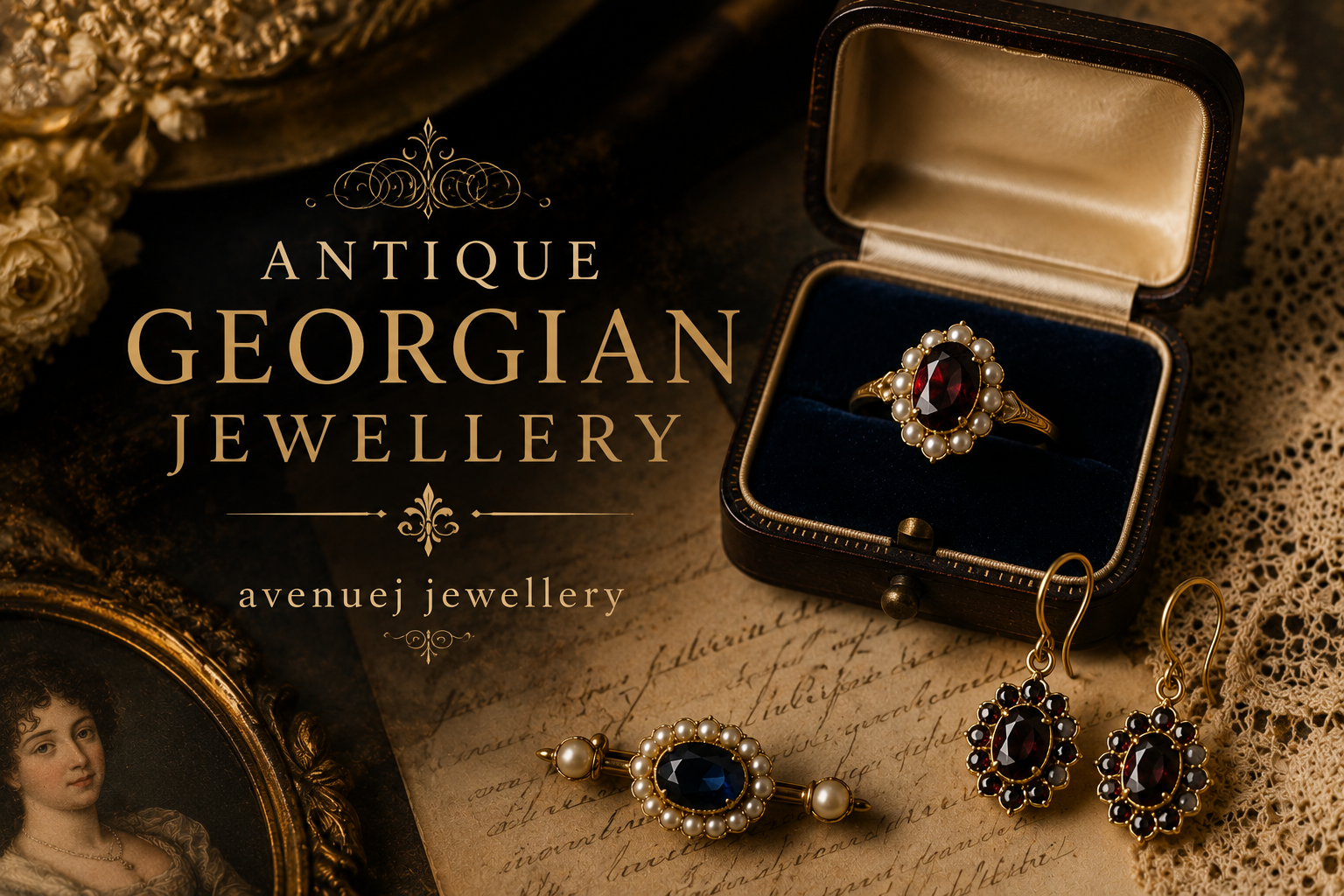
Jewellery trends come and go, but certain pieces continue to captivate collectors, fashion enthusiasts, and everyday buyers generation after generation. Antique jewellery carries something modern pieces often struggle to replicate — craftsmanship, history, individuality, and the feeling of owning something genuinely rare.
Across Australia, growing interest in vintage and heritage jewellery reflects a wider shift toward meaningful purchases. Buyers are increasingly looking beyond fast fashion and mass-produced accessories in favour of pieces with stories, craftsmanship, and character.
Whether someone is discovering antique Georgian jewellery, searching for rare Art Deco designs, or exploring carefully curated collections from specialists like Avenue J Jewellery, antique pieces remain more than decorative objects — they become wearable history.
Why Antique Jewellery Continues to Grow in Popularity
The appeal of antique jewellery extends beyond aesthetics.
Modern buyers often seek:
- Unique designs not found in mass retail stores
- Handcrafted detailing and traditional workmanship
- Sustainable alternatives to newly manufactured luxury goods
- Investment-worthy pieces that retain character and collectability
- Jewellery connected to historical periods and personal storytelling
Unlike trend-driven accessories, antique pieces often maintain relevance because they were originally created with longevity in mind.
Today’s buyers are not simply purchasing jewellery — they are purchasing craftsmanship, rarity, and emotional value.
Understanding Different Historical Jewellery Periods
Different eras produced distinct styles, materials, and craftsmanship techniques. Understanding these periods helps buyers make more informed decisions.
Georgian Era Jewellery (1714–1837)
Collectors often admire antique Georgian jewellery because of its rarity and hand-crafted nature.
Pieces from this era were created entirely by hand before industrial manufacturing transformed jewellery production.
Common characteristics include:
- Closed-back gemstone settings
- Foiled gemstones designed to enhance sparkle
- Intricate metalwork
- Natural motifs and symbolic designs
- Rare survival rates due to age
Because many Georgian pieces are over 180 years old, authentic examples are considerably harder to find.
Victorian Era Jewellery (1837–1901)
Victorian jewellery evolved dramatically throughout the reign of Queen Victoria.
Common themes included:
- Romantic motifs
- Mourning jewellery
- Floral symbolism
- Gold-heavy craftsmanship
- Colored gemstones
Collectors searching for Victorian citrine earrings antique pieces, are often attracted by warm golden tones and elaborate metalwork that reflects the decorative preferences of the era.
Victorian citrine jewellery remains particularly desirable because large citrine stones were widely celebrated during the nineteenth century.
Art Deco Jewellery (1920s–1930s)
Art Deco introduced a completely different design philosophy.
Key characteristics include:
- Strong geometric shapes
- Symmetry
- Platinum settings
- Bold gemstone combinations
- Architectural influences
An art deco jewelry ring remains one of the most sought-after categories among collectors due to its balance of sophistication and wearability.
These designs continue to influence modern jewellery collections today.
What Makes Antique Jewellery Different From Vintage Jewellery?
The terms “antique” and “vintage” are often used interchangeably, but they are not identical.
Antique Jewellery
Generally refers to jewellery over 100 years old.
Examples include:
- Georgian pieces
- Victorian designs
- Edwardian jewellery
- Early Art Deco creations
Vintage Jewellery
Usually refers to pieces that are several decades old but not necessarily 100 years old.
Interest in vintage jewellery Australia continues growing because buyers appreciate distinctive styles without necessarily purchasing extremely old pieces.
Vintage jewellery often provides accessibility for buyers who want historical aesthetics at different price points.
How to Evaluate Antique Jewellery Before Buying
Purchasing antique jewellery requires more than simply choosing a beautiful design.
Examine Craftsmanship
Authentic antique pieces frequently display:
- Hand-finishing marks
- Minor irregularities
- Traditional setting methods
- Unique construction techniques
Perfect symmetry is not always a sign of authenticity.
Look For Signs of Age
Natural wear patterns often indicate genuine age.
However, buyers should distinguish between:
- Authentic age-related wear
- Excessive damage
- Poor restoration work
Ask About Provenance
Documentation, previous ownership records, and historical context can add value and confidence.
Trusted specialists often provide information regarding:
- Era identification
- Materials
- Gemstone origin
- Restoration history
Consider Wearability
Some antique jewellery may require:
- Stone tightening
- Restoration
- Professional cleaning
- Resizing
Beautiful pieces should also be practical for intended use.
The Rise of Antique Jewellery Shopping Online
Online buying has dramatically changed how collectors access rare jewellery.
Previously, collectors relied heavily on physical dealers and auctions.
Today, buyers increasingly search for antique jewellery online Australia because digital platforms provide:
- Access to broader collections
- Detailed photography
- Easier comparison shopping
- Greater transparency
- Access to specialists regardless of location
However, online purchasing requires careful evaluation.
Consider:
- High-resolution images
- Clear return policies
- Detailed descriptions
- Seller expertise
- Independent reviews
Specialist retailers such as Avenue J Jewellery often provide educational resources alongside curated collections, helping buyers understand historical context before purchasing.
Why Sustainability Is Driving Antique Jewellery Demand
Sustainability conversations increasingly influence luxury purchasing decisions.
Antique jewellery naturally aligns with this shift because:
No New Mining Required
Existing gemstones and metals are reused rather than newly extracted.
Reduced Manufacturing Impact
Purchasing existing jewellery reduces demand for new production.
Longer Product Lifecycles
Well-made jewellery can survive centuries.
Consumers increasingly view antique purchases as both aesthetic and environmentally conscious decisions.
Styling Antique Jewellery in Modern Fashion
Many people assume antique jewellery is difficult to wear.
The opposite is often true.
Everyday Styling Ideas
- Pair Victorian earrings with minimalist outfits
- Use Art Deco rings as statement pieces
- Layer antique chains with modern necklaces
- Mix vintage and contemporary styles intentionally
The contrast between historical craftsmanship and modern fashion often creates stronger visual impact.
Common Misconceptions About Antique Jewellery
“Antique Jewellery Is Too Fragile”
Not always.
Many antique pieces remain wearable because they were originally designed for daily use.
“Only Collectors Buy Antique Jewellery”
Modern buyers include:
- Fashion enthusiasts
- Engagement ring shoppers
- Sustainability-conscious consumers
- Gift buyers
- Investors
“Antique Means Expensive”
While rare pieces command premium prices, many accessible options exist across multiple budgets.
Should Antique Jewellery Be Considered an Investment?
Some buyers purchase purely for enjoyment.
Others consider long-term value.
Important considerations include:
- Rarity
- Historical significance
- Condition
- Provenance
- Market demand
Jewellery should generally be purchased because it provides enjoyment first.
Potential appreciation becomes an additional benefit rather than the only objective.
The Future of Antique Jewellery
As consumers increasingly prioritise individuality, sustainability, and meaningful purchases, antique jewellery appears positioned for continued growth.
Digital marketplaces, specialist curators, and education-driven retailers are making historical jewellery more accessible than ever.
What once required specialist auction knowledge is increasingly available to everyday buyers willing to learn.
The result is a growing appreciation for jewellery that carries both beauty and history.
Conclusion
Antique jewellery offers something increasingly rare in modern retail — authenticity.
From the intricate craftsmanship found in Georgian pieces to the bold geometry of Art Deco designs, historical jewellery continues to resonate because it combines artistry with storytelling.
Whether exploring collectible pieces, searching for unique gifts, or building a personal collection, buyers are increasingly drawn toward jewellery that feels distinctive rather than mass-produced.
As interest in heritage craftsmanship grows, specialists such as Avenue J Jewellery continue helping modern buyers connect with pieces that have already stood the test of time — and may continue doing so for generations ahead.